Search Engine Optimization (SEO) is constantly evolving. Search engines are becoming smarter, and their main goal is to provide users with the most helpful and relevant results. Because of this, many old SEO techniques no longer work the way they used to.
In 2026, ranking on search engines is not just about adding keywords to your content. It is about creating valuable information, improving website performance, and understanding what users actually want when they search online.
Businesses, bloggers, and website owners who stay updated with modern SEO strategies have a better chance of ranking higher in search results. If you want your website to grow and attract more organic traffic, it is important to follow the latest SEO practices.
Here are six effective SEO practices that can help improve your rankings in 2026.
1. Create High-Quality and Helpful Content
Content continues to be one of the most important factors in SEO. Search engines prioritize websites that provide useful, accurate, and well-structured information.
Instead of writing content only to rank on search engines, focus on solving the reader’s problem. A good article should answer questions clearly, provide practical insights, and be easy to understand.
Well-written content usually includes:
- Clear headings and subheadings
- Real examples or explanations
- Updated information
- Easy-to-read paragraphs
Another important concept used by search engines is E-E-A-T comes from Google’s quality guideline, which stands for Experience, Expertise, Authoritativeness, and Trustworthiness. This means content should demonstrate real knowledge and credibility. Articles that include expert insights, reliable information, and clear explanations are more likely to gain trust from both readers and search engines.
Longer and more detailed articles often perform better because they cover the topic more thoroughly. However, the goal should always be quality over quantity. Even a shorter article can rank well if it provides real value to readers.
Regularly updating your content is also important. Refreshing old articles with new data, examples, or statistics can improve their performance in search results.
2. Understand and Optimize for Search Intent
Search intent refers to the reason behind a user’s search query. In simple terms, it explains what the user is actually looking for when they type something into a search engine.
There are generally four types of search intent:
- Informational – users want to learn something
- Navigational – users want to visit a specific website
- Transactional – users want to buy something
- Commercial investigation – users are comparing options
For example, if someone searches for “best SEO tools for beginners,” they are likely looking for recommendations or comparisons. If your article only explains what SEO tools are without listing any tools, it may not satisfy the user’s intent.
Matching your content with search intent helps search engines understand that your page is the right result for the query. This can significantly improve your chances of ranking higher.
3. Improve Website Speed and User Experience
User experience has become a major ranking factor. If visitors find your website slow, confusing, or difficult to navigate, they are more likely to leave quickly.
A fast and well-structured website keeps users engaged and encourages them to explore more pages. Search engines also consider these signals when ranking websites.
Some simple ways to improve user experience include:
- Optimizing images to reduce loading time
- Using a clean and easy-to-navigate layout
- Ensuring the website works well on mobile devices
- Reducing unnecessary plugins or scripts
A faster website not only improves SEO rankings but also increases user satisfaction and conversion rates.
4. Build High Quality Backlinks
Backlinks are links from other websites that point to your content. They act as a signal of trust and authority for search engines.
When reputable websites link to your content, it tells search engines that your information is valuable and reliable. This can significantly improve your website’s authority and ranking potential.
However, not all backlinks are beneficial. Links from spammy or low-quality websites can harm your SEO performance.
Some effective ways to build high-quality backlinks include:
- Writing guest posts for reputable websites
- Creating informative and shareable content
- Publishing research, guides, or statistics
- Collaborating with bloggers or industry experts
Consistent backlink building is one of the most powerful ways to strengthen your SEO strategy.
5. Optimize for Voice Search and AI-Driven Queries
The way people search online is changing. With the increasing use of voice assistants and AI tools, many users now search using natural language. For example, instead of typing “SEO tips 2026,” a user might ask, “What are the best SEO practices to rank higher in 2026?” Because of this, content should be written in a conversational and natural tone.
To optimize for voice and AI search:
- Include question-based headings
- Use natural language and conversational phrases
- Target long-tail keywords
- Add FAQ sections to answer common questions
These strategies help search engines understand your content better and may also increase your chances of appearing in featured snippets.
6. Strengthen Your Technical SEO
Technical SEO focuses on improving the backend structure of your website so search engines can crawl and index it more effectively. Even if your content is excellent, technical issues can prevent search engines from ranking your pages properly.
Some important technical SEO practices include:
- Creating an XML sitemap
- Fixing broken links and errors
- Using proper URL structures
- Implementing structured data
- Ensuring mobile-friendly design
Regular technical audits can help identify problems that may affect your website’s performance in search results.
Why SEO Matters More in 2026
SEO has become more important because search engines now focus heavily on user satisfaction and content quality. Websites that provide clear, helpful, and well-structured information perform better in rankings. AI-powered search systems also analyze content more deeply than before, so relevance and usefulness matter more than keyword repetition.
To stay competitive:
- Focus on user experience
- Provide complete answers
- Keep content updated regularly
- Avoid outdated SEO tricks
Importance of Mobile-Friendly Websites
Most users now browse websites through mobile devices, so mobile optimization is no longer optional. A website that does not work well on mobile can lose both traffic and rankings.
Google also uses mobile-first indexing, which means it checks the mobile version of your site first.
A mobile-friendly website should:
- Load quickly on phones
- Adjust layout properly on small screens
- Be easy to navigate with touch
- Avoid heavy elements that slow performance
Role of User Engagement in SEO
User engagement shows how visitors interact with your website. Search engines observe these signals to understand content quality. If users stay longer and explore more pages, it indicates that your content is useful. But if they leave quickly, it may signal poor relevance.
Important engagement factors include:
- Time spent on page
- Bounce rate
- Pages per session
- Click behavior
Improving content clarity and readability helps increase engagement naturally.
Benefits of Regular Content Updates
Updating old content is just as important as creating new articles. Fresh and updated information signals to search engines that your website is active. It also improves accuracy and keeps your content relevant for users.
Regular updates help:
- Improve rankings of old pages
- Add new keywords naturally
- Fix outdated information
- Increase trust and credibility
Common SEO Mistakes to Avoid in 2026
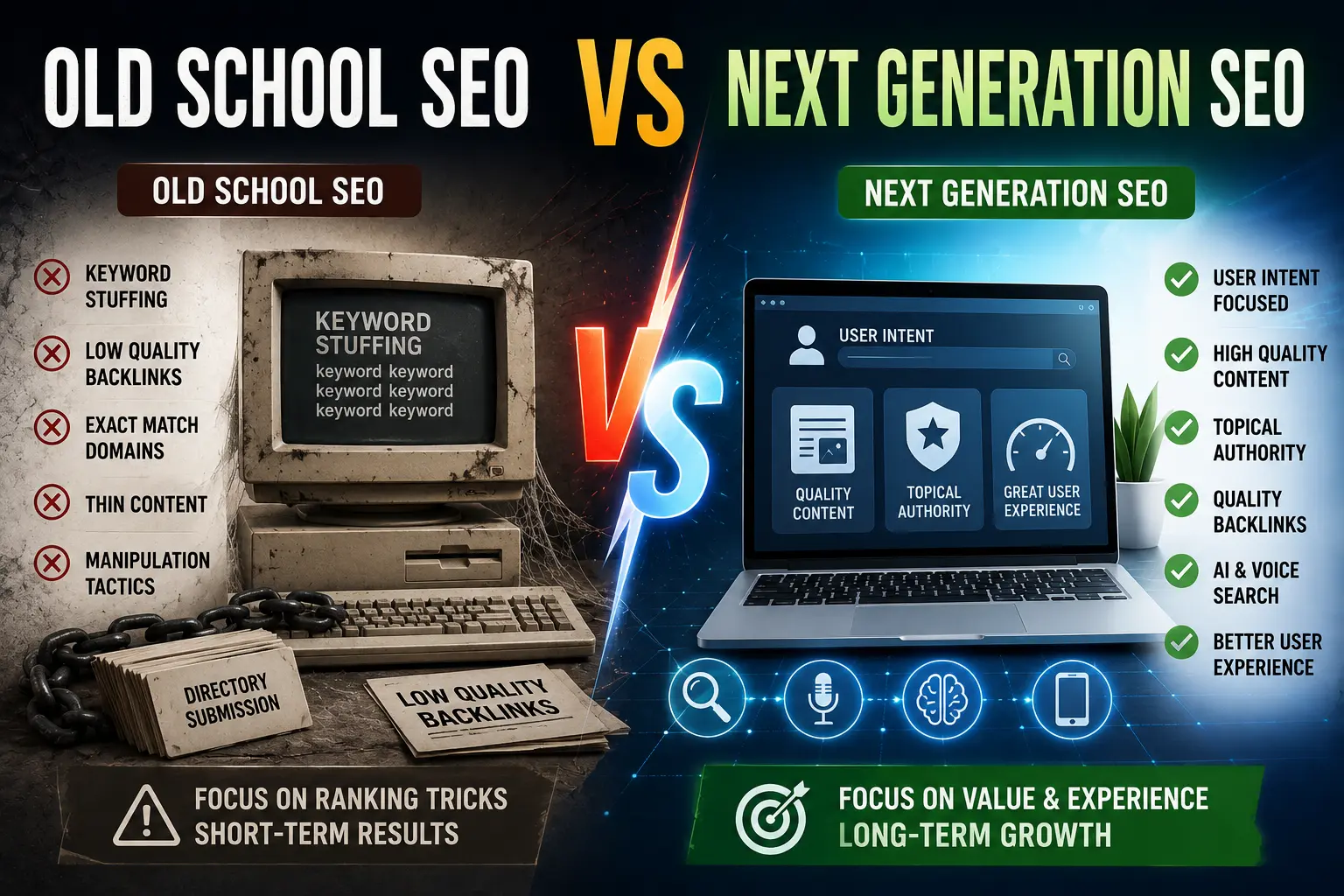
Many websites lose rankings because they repeat old SEO mistakes that no longer work in modern search systems such as using too many keywords in an unnatural way, creating low-quality or thin content that does not help users, ignoring technical issues like slow loading speed and poor mobile performance, and building spam or irrelevant backlinks that damage trust instead of improving authority, so it is important to focus on writing helpful and clear content that solves real user problems, maintaining a fast, mobile-friendly, and well-structured website, and following ethical SEO practices that build long-term ranking strength instead of short-term results.
Importance of SEO in 2026
SEO is very important in 2026 because it helps websites become visible on search engines, attract organic traffic, and reach the right audience without paid ads while also building trust and credibility through useful and well-structured content, as search engines now prioritize user experience, content quality, and relevance more than ever before, so websites that focus on providing real value, improving page speed, and understanding user intent are more likely to rank higher, grow consistently, and maintain strong online presence in the long run.
Conclusion
SEO in 2026 focuses more on user experience, valuable content, and strong website performance. Simply using keywords is no longer enough to achieve higher rankings.
By creating helpful content, understanding search intent, improving website speed, building quality backlinks, and maintaining strong technical SEO, you can increase your chances of ranking better in search results. Following these modern SEO practices will help your website grow and attract more organic traffic over time.
Frequently Asked Questions
The most important SEO practices in 2026 include creating high-quality content, understanding search intent, improving website speed, building high-quality backlinks, optimizing for voice search, and maintaining strong technical SEO. These strategies help search engines understand your website and improve your chances of ranking higher.
Search intent is important because it helps search engines determine whether your content matches what users are looking for. When your content answers the user’s question or solves their problem, it increases the chances of ranking higher in search results.
Backlinks act as a signal of trust for search engines. When reputable websites link to your content, it indicates that your website provides valuable information. High-quality backlinks can improve your website’s authority and help it rank higher in search results.
Yes, website speed is an important ranking factor. A fast website improves user experience and reduces bounce rates. When visitors can access your content quickly, they are more likely to stay longer, which can positively impact your SEO performance.
Yes, SEO is still very important in 2026. With millions of websites competing online, SEO helps search engines understand your content and show it to the right audience. A strong SEO strategy can increase organic traffic, improve visibility, and help businesses grow online.
People are also reading: