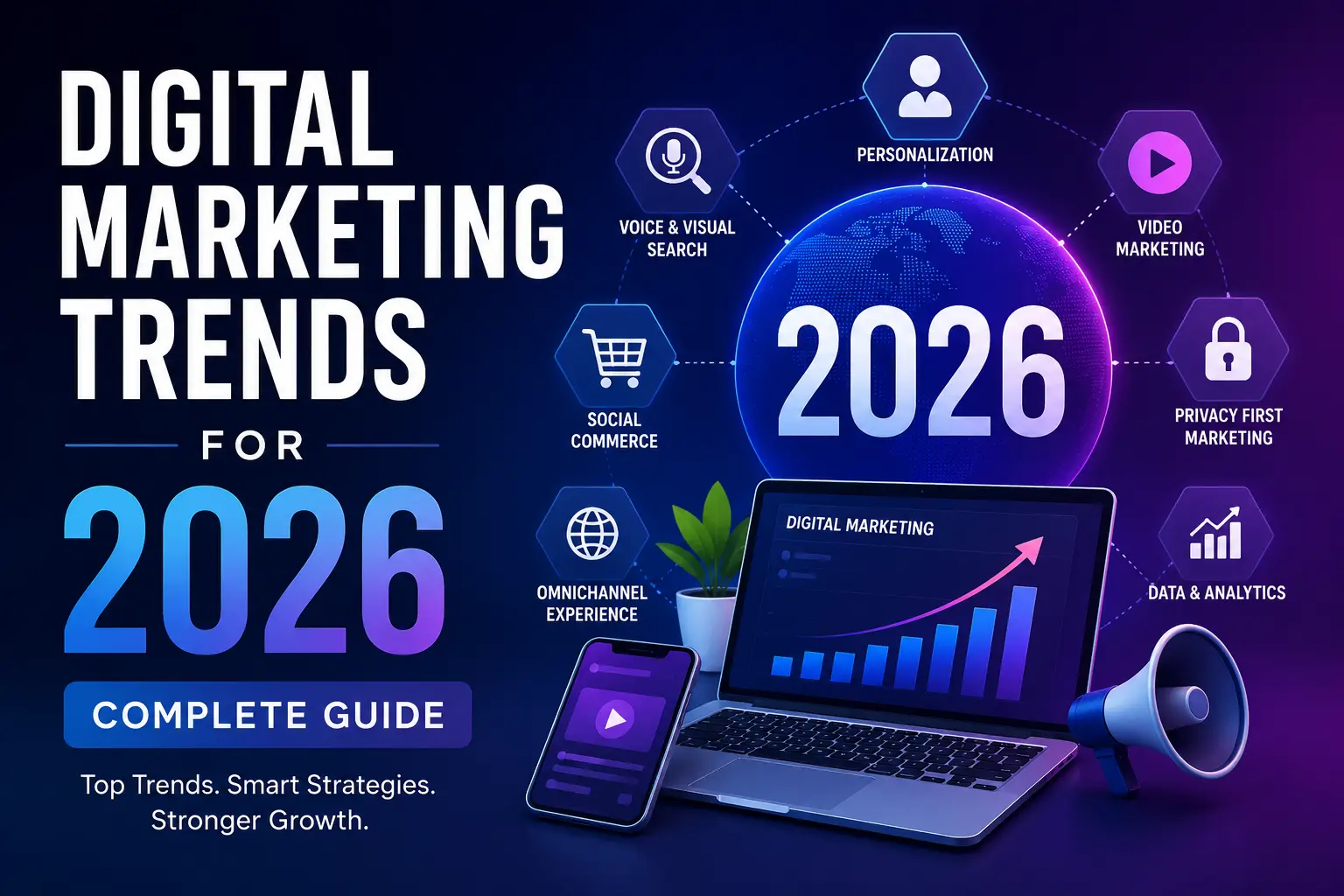
Digital marketing is evolving faster than ever, and 2026 is shaping up to be a year full of new opportunities and challenges for businesses. With technology advancing, customer behavior changing, and online competition increasing, brands that adapt quickly will have a major advantage.
Today’s customers expect more than just products or services. They want personalized experiences, faster communication, authentic interactions, and seamless buying journeys across platforms. At the same time, businesses must balance automation, privacy, creativity, and trust while keeping up with rapidly changing digital trends.
In this guide, we will explore the biggest digital marketing trends shaping 2026, practical strategies businesses can use, the benefits of each trend, and the challenges brands should prepare for. Whether you are a startup owner, marketer, ecommerce brand, or agency professional, understanding these trends can help you build stronger customer relationships and improve long-term business growth.
18 Top Digital Marketing Trends
1. Personalization at Scale
Personalization continues to dominate digital marketing in 2026. Customers no longer respond positively to generic campaigns or broad messaging. People expect brands to understand their interests, behaviors, and buying patterns.
Modern businesses are using customer data to create highly personalized experiences across websites, emails, ads, and social media platforms. From product recommendations to custom landing pages, personalization is becoming a standard expectation rather than a premium feature.
Strategies
- Personalized email campaigns
- Dynamic website content
- Product recommendation engines
- Behavior-based retargeting
- Customized offers and discounts
Example
Amazon continues to lead in personalized shopping experiences through recommendation systems that suggest products based on browsing and purchase history.
Benefits
- Higher customer engagement
- Better conversion rates
- Stronger brand loyalty
- Improved customer satisfaction
Challenges
- Requires strong data management
- Privacy concerns must be handled carefully
- Over-personalization can feel intrusive
2. Voice and Visual Search Optimization
Search behavior is changing rapidly. More users are now searching through voice assistants and image-based tools instead of traditional typing.
People ask conversational questions through smart devices, while visual search tools allow users to upload photos to find similar products instantly. Businesses that optimize for these search methods can improve visibility and customer discovery.
Strategies
- Use conversational language in content
- Optimize FAQ sections
- Improve image alt text and metadata
- Use high-quality product images
- Create voice-search-friendly content
Example
Pinterest Lens allows users to search products using images, improving product discovery and ecommerce engagement.
Benefits
- Better search visibility
- Improved user experience
- Increased mobile engagement
Challenges
- Requires changes to traditional SEO strategy
- Image optimization becomes more important
3. Video Marketing Dominance
Video marketing remains one of the most powerful content formats in 2026. Short-form vertical videos continue to deliver the highest engagement and ROI across social platforms.
Consumers prefer fast, visually engaging content that is easy to consume. Platforms like TikTok, Instagram Reels, and YouTube Shorts continue to dominate attention spans.
At the same time, live streaming and interactive video experiences are becoming major drivers of ecommerce sales and audience engagement.
Strategies
- Create short-form videos
- Use live product demos
- Add interactive elements to videos
- Focus on storytelling and authenticity
- Repurpose videos across platforms
Example
Brands using shoppable video content are seeing increased conversions from social media traffic.
Benefits
- Stronger audience engagement
- Better product understanding
- Higher brand recall
- Improved social reach
Challenges
- Video production requires time and creativity
- Competition for attention is increasing
4. Smarter Marketing Strategies
Modern marketing is becoming more insight-driven and customer-focused. Businesses are using smarter tools and customer behavior analysis to improve communication and campaign performance.
Successful brands are focusing less on pushing products and more on solving customer problems.
Strategies
- Customer journey mapping
- Real-time engagement tracking
- AI-powered support systems
- Personalized recommendations
- Interactive customer experiences
Benefits
- Better customer satisfaction
- Improved campaign performance
- More efficient marketing spending
Challenges
- Over-automation can reduce authenticity
- Businesses still need human creativity
5. Content Experience Over Content Volume
Publishing large amounts of content is no longer enough. In 2026, search engines and users both prioritize content quality, readability, usefulness, and user experience.
Businesses that create detailed, valuable, and well-structured content are more likely to rank higher and build long-term audience trust.
Strategies
- Create topic-focused content hubs
- Use visuals and interactive elements
- Improve readability and navigation
- Focus on problem-solving content
- Update existing content regularly
Example
Educational resource libraries and detailed guides continue to drive strong organic traffic for brands.
Benefits
- Better search rankings
- Lower bounce rates
- Higher user trust
- More returning visitors
Challenges
- Requires deeper research and planning
- Quality content takes more time to produce
6. AI-Powered Search and Generative Engine Optimization (GEO)
Traditional SEO is evolving rapidly due to AI-powered search experiences. Users are increasingly relying on conversational AI tools and AI-generated search summaries instead of clicking through multiple search results.
This shift has created the rise of Generative Engine Optimization (GEO), where businesses optimize content not just for search engines but also for AI-driven recommendation systems.
Strategies
- Add structured schema markup
- Build topical authority
- Use detailed FAQ sections
- Improve trust and authorship signals
- Keep product and business data updated
Benefits
- Better visibility in AI-generated answers
- Increased authority and trust
- Higher brand exposure
Challenges
- Traditional keyword-only SEO is becoming less effective
- Brands must focus more on expertise and content usefulness
7. The Human Premium and Authentic Content
As AI-generated content floods the internet, audiences are becoming more selective. People are increasingly drawn toward authentic stories, raw experiences, and human-driven communication.
Highly polished corporate messaging often performs worse than honest, relatable, and behind-the-scenes content.
Strategies
- Share employee stories
- Build founder personal brands
- Use customer-generated content
- Highlight real experiences
- Show behind-the-scenes processes
Benefits
- Higher trust and engagement
- Better emotional connection
- Stronger brand authenticity
Challenges
- Authenticity cannot be forced
- Audiences quickly notice artificial messaging
8. Social Commerce Growth
Social media platforms are now becoming complete shopping ecosystems. Customers can discover, compare, and buy products without leaving the app.
Social commerce is shortening the customer journey and increasing impulse purchases.
Strategies
- Use shoppable posts
- Create product-focused Reels and Shorts
- Partner with creators and influencers
- Optimize mobile shopping experience
- Use interactive product showcases
Example
Instagram shopping features continue to drive strong ecommerce engagement and product discovery.
Benefits
- Faster purchasing decisions
- Better mobile conversions
- Increased product visibility
Challenges
- Requires strong visual branding
- Product pages must be optimized for mobile users
9. Shoppable Video and AI-Assisted Commerce
Video platforms are evolving into ecommerce storefronts. Customers can now purchase products directly from videos while AI-powered shopping assistants help users compare products and make decisions in real time.
This combination of video and AI is reshaping ecommerce experiences.
Strategies
- Create product demonstration videos
- Add instant checkout integrations
- Use AI chat assistants for product recommendations
- Develop interactive video experiences
Benefits
- Higher conversion rates
- Improved customer engagement
- Better product understanding
Challenges
- Requires ongoing content creation
- User experience optimization is critical
10. First-Party Data Becomes Essential
Privacy regulations and the decline of third-party cookies are changing digital advertising and customer targeting.
Brands now rely more heavily on first-party data collected directly from customers through websites, subscriptions, loyalty programs, and interactive experiences.
Strategies
- Build email subscriber lists
- Use loyalty programs
- Create calculators, quizzes, and interactive tools
- Clearly explain data usage policies
Benefits
- Better customer insights
- Improved personalization
- Stronger long-term marketing performance
Challenges
- Data collection must remain transparent and ethical
- Privacy compliance is essential
11. Privacy-First Marketing
Consumers are more aware of data privacy than ever before. Trust has become a major factor in customer decision-making.
Brands that respect user privacy and communicate transparently will gain stronger customer loyalty.
Strategies
- Use transparent data policies
- Offer customer data controls
- Collect consent properly
- Focus on ethical marketing practices
Benefits
- Increased customer trust
- Better brand reputation
- Improved compliance with regulations
Challenges
- Balancing personalization with privacy
- Constantly changing regulations
12. Micro-Communities and Private Platforms
Users are increasingly moving away from public social platforms toward smaller, more focused communities.
Private Discord groups, Reddit communities, WhatsApp Channels, Telegram groups, and email communities are becoming valuable spaces for engagement.
Strategies
- Build niche communities
- Engage directly with users
- Create exclusive content
- Partner with micro-influencers
Benefits
- Higher engagement quality
- Better conversion rates
- Stronger community loyalty
Challenges
- Community building requires consistency
- Brands must participate authentically
13. Influencer and Creator-Led Marketing
Influencer marketing is shifting toward authenticity and niche expertise. Consumers trust creators who feel relatable and knowledgeable rather than celebrity endorsements alone.
Micro- and nano-influencers are driving stronger engagement because they have highly connected communities.
Strategies
- Partner with niche creators
- Encourage user-generated content
- Focus on long-term collaborations
- Create co-branded campaigns
Benefits
- Better audience trust
- Higher engagement rates
- More targeted reach
Challenges
- Fake endorsements damage credibility
- Influencer partnerships require careful selection
14. Augmented Reality and Immersive Experiences
AR experiences are becoming a major part of online shopping and digital engagement. Customers want to visualize products before purchasing.
Virtual try-ons, furniture placement tools, and interactive showrooms are helping brands improve buyer confidence.
Strategies
- Virtual try-on tools
- Interactive product experiences
- AR filters for social media
- 3D product visualization
Benefits
- Better customer confidence
- Reduced product returns
- Improved user engagement
Challenges
- Requires technology investment
- Ongoing updates and optimization are necessary
15. Omnichannel Marketing Integration
Customers interact with brands across websites, social media, email, apps, and physical stores. Businesses must deliver consistent experiences across every touchpoint.
Strategies
- Align messaging across platforms
- Create seamless customer journeys
- Integrate customer support systems
- Maintain consistent branding
Benefits
- Better customer experience
- Higher retention rates
- Stronger brand recognition
Challenges
- Requires coordination across teams
- Technology integration can be complex
16. Analytics and Insight-Driven Marketing
Data-driven decision-making is becoming essential for marketing success. Businesses that track performance and adapt quickly can improve ROI significantly.
Strategies
- Monitor customer behavior
- Track campaign KPIs
- Use predictive analytics
- Optimize campaigns regularly
Benefits
- Smarter marketing decisions
- Better budget allocation
- Improved campaign efficiency
Challenges
- Misinterpreting data can lead to poor decisions
- Requires proper analysis and expertise
17. Customer Retention and Loyalty Strategies
Acquiring customers is becoming more expensive, making retention more important than ever.
Businesses are focusing heavily on loyalty programs, personalized follow-ups, and subscription-based experiences.
Strategies
- Offer loyalty rewards
- Use personalized follow-ups
- Create membership programs
- Provide exclusive offers
Benefits
- Higher customer lifetime value
- Stronger brand loyalty
- Consistent revenue growth
Challenges
- Loyalty programs must provide real value
- Customers expect personalized experiences
18. Sustainability and Ethical Marketing
Consumers increasingly support brands that demonstrate ethical business practices and environmental responsibility.
Businesses that communicate genuine sustainability efforts can build stronger customer trust and long-term loyalty.
Strategies
- Promote eco-friendly initiatives
- Share sustainability goals
- Use ethical sourcing practices
- Communicate transparency openly
Benefits
- Stronger brand credibility
- Better customer loyalty
- Improved public perception
Challenges
- Sustainability claims must be genuine
- Consumers quickly recognize greenwashing
Common Digital Marketing Mistakes to Avoid in 2026
| Mistake | Why It Hurts | Quick Fix |
|---|---|---|
| Overusing automation | Makes communication feel robotic | Combine automation with human oversight |
| Ignoring privacy laws | Damages customer trust | Use transparent data policies |
| Poor mobile optimization | Reduces user engagement | Optimize for mobile-first experiences |
| Low-quality AI content | Hurts brand credibility | Add human editing and expertise |
| Ignoring analytics | Wastes marketing budget | Track and optimize campaigns regularly |
| Publishing too much content | Reduces quality and trust | Focus on utility and user experience |
Digital Marketing Strategy Shift in 2026
| Area | Traditional Focus | 2026 Focus |
|---|---|---|
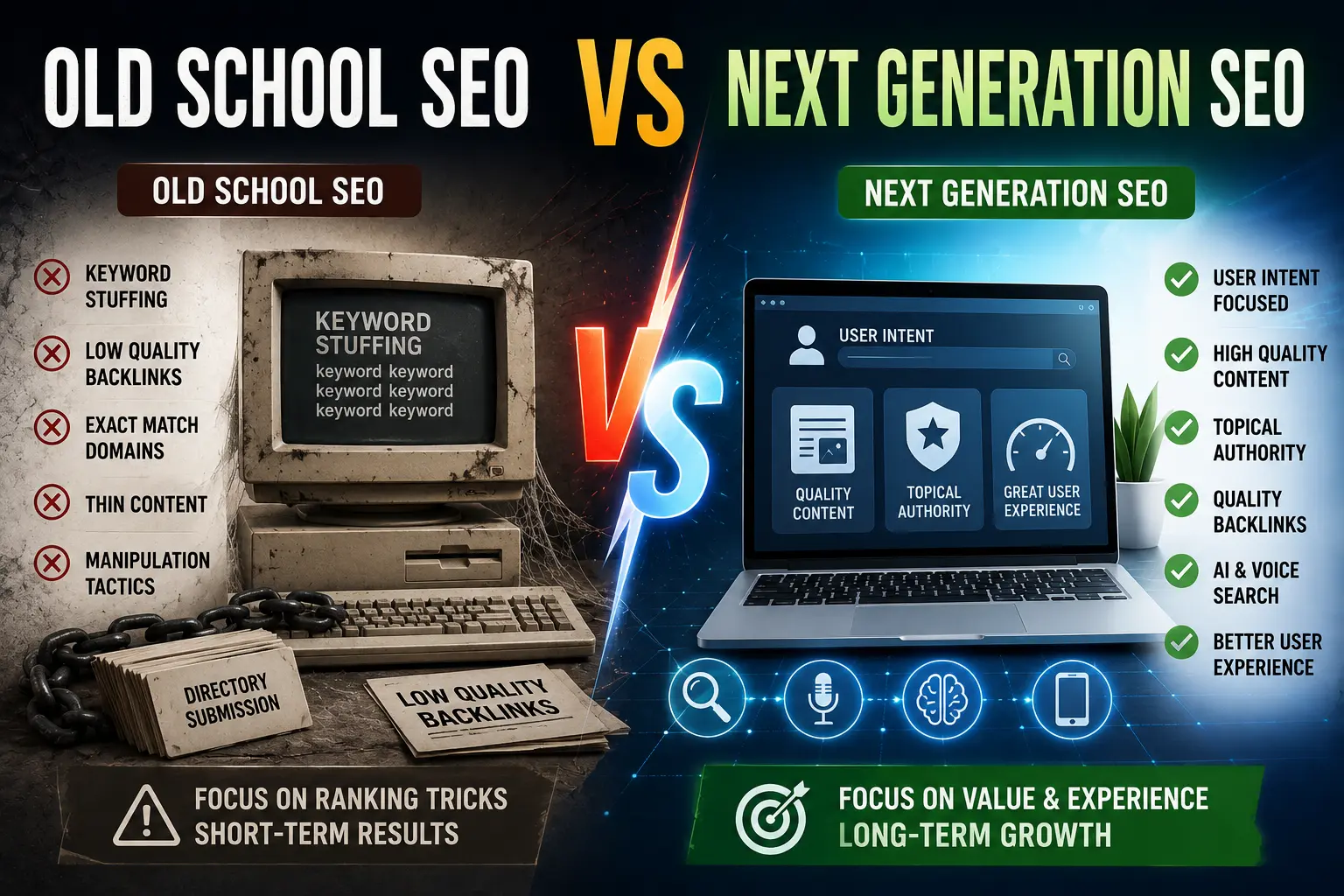
| SEO | Keywords and rankings | AI visibility and topical authority |
| Content | Publishing volume | Human value and usefulness |
| Social Media | Public engagement | Private communities and conversations |
| Influencer Marketing | Celebrity reach | Authentic niche creators |
| Ecommerce | Website-first shopping | Shoppable videos and AI-assisted buying |
| Data Collection | Third-party tracking | First-party trust-based relationships |
Conclusion
Digital marketing in 2026 is no longer just about visibility. It is about building trust, creating meaningful customer experiences, and combining technology with authentic human communication.
Businesses that focus on personalization, AI-powered search visibility, immersive experiences, privacy-first marketing, and community engagement will have a major competitive advantage in the coming years.
At the same time, brands must remember that technology alone is not enough. Creativity, emotional storytelling, transparency, and genuine customer relationships remain the foundation of successful digital marketing.
The businesses that adapt quickly while staying human-focused will be the ones that grow stronger, build loyal audiences, and succeed in the evolving digital world.
Frequently Asked Questions
Personalization and understanding customer needs are expected to lead the way.
Video, especially short and interactive content, is key to engagement and brand recall.
Yes, transparency and ethical data collection will be essential for trust and compliance.
By using shoppable posts, influencer collaborations, and mobile-friendly visuals to make shopping easy for customers.
No, while tools support decision-making, creativity and authentic storytelling still require human touch.
People are also reading: